September Payrolls Miss at 29,000, With 60,000 Jobs Revised Out of July and August
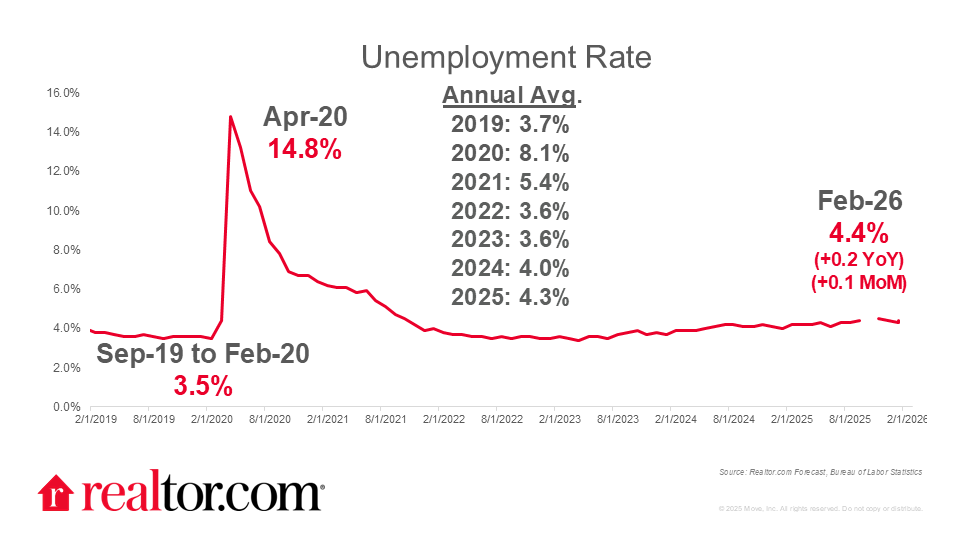
Today’s September jobs report was a clear miss, throwing some cold water on the labor market recovery we had hoped for. Payrolls rose by just 29,000, far short of the 84,000 consensus and the 100,000 that prediction markets gave a 50-50 chance of topping. For me, two things stand out: first, weak growth today comes with a downward revision to prior months, as July now shows a loss of 10,000 jobs and August was cut to 133,000 from 162,000; that takes 60,000 jobs off the prior two months. Second, although the unemployment rate rose to 4.2%, the headline overstates the move, since the unrounded rate rose just 0.04 points, from 4.14% to 4.18%. Layoffs haven’t picked up, and jobless claims have been falling, so the low hire, low fire market is likely to stay entrenched as we head into 2027.

Why the Weak Jobs Report Does Not Change the Fed’s Path Toward a Year-End Hike
For the Fed, this probably doesn’t change all that much with respect to hikes this fall. Despite tepid September job growth, unemployment remains low, so in short, this is no labor disaster that would pull the FOMC’s focus off inflation. The Fed is trying to contain supply-driven inflation from geopolitical instability and higher energy prices, and this is about risk management to prevent things from getting worse, which has not changed today. Odds of an October hike had already been cut in half in the past week, from 69% on Sept. 24 to under 30% before the report’s release. After the soft jobs numbers, a hold looks even more likely for October, but the consensus remains that we will see another hike before year-end. That also means the pressure that sent the 10-year Treasury to a 24-year high and pushed Freddie Mac’s mortgage rate from 6.66% to 7.28% hasn’t gone away.

Mortgage Rates at 7.28% and a Sluggish Job Market Keep Housing Squeezed at Both Ends
For consumers and the housing market, the squeeze continues at both ends, with a still sluggish labor market on one side and financial conditions getting tougher rather than easier on the other. The 62 basis point increase in mortgage rates since the start of September works out to about $19,000 less house on a $2,000 per month budget for principal and interest. That shock to housing affordability shines through in September’s housing data, with pending sales down 4.1% year over year, the largest drop since March 2025, and 20.8% of listings seeing a price cut, the highest single month of price cuts since October 2022. With a rather static jobs picture likely to persist this fall, buyers and sellers should not plan on a particularly dynamic housing market in the near term either.