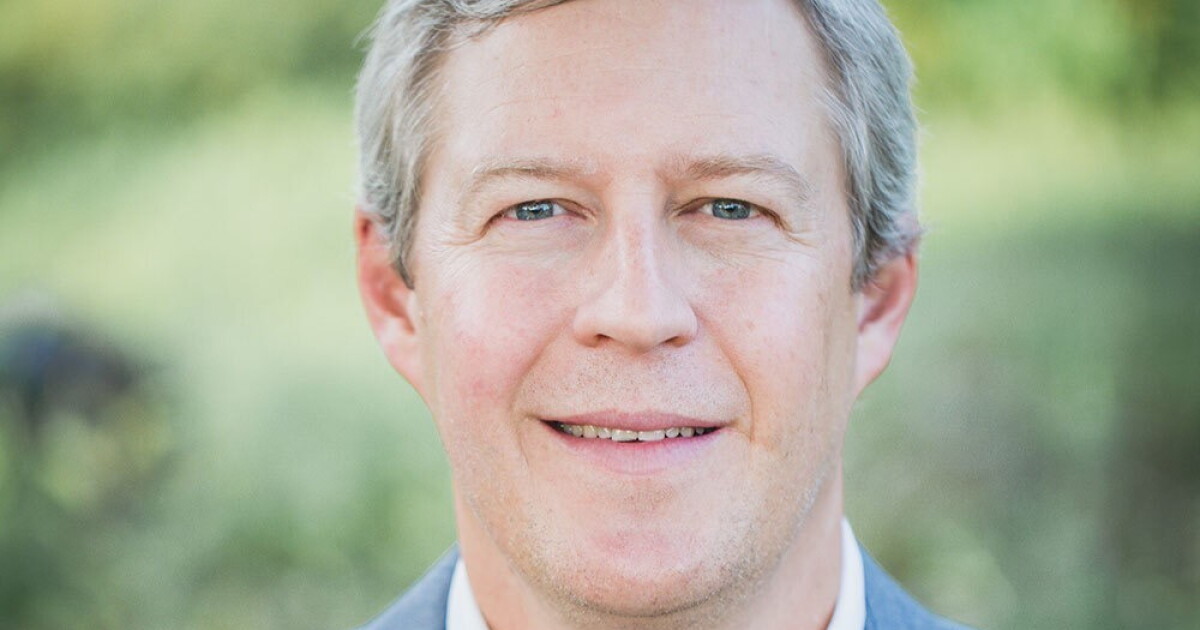
- Key takeaway: CEO Jason Hardgrave said Small Business Administration lending is a natural extension of DR Bank’s sponsor-bank business line.
- Supporting data: The bank’s profits jumped from less than $2 million in 2021 to more than $12 million last year.
DR Bank possessed little more than a charter and a pile of capital after
Processing Content
Laurel Road had financed more than $4 billion of student loans while it was part of the $1.1 billion-asset DR Bank, generating the lion’s share of the bank’s revenue. The bank was still looking to reinvent itself two years later when it reached out to Jason Hardgrave. Hardgrave was a senior manager at Banco Santander’s U.S. arm, but he found the two-branch bank’s blank-slate pitch impossible to resist.
“The call was literally, `What do you think we can do with a bank charter?'” Hardgrave, who would sign on as CEO in June 2021, told American Banker. “I was like, `This is a banker’s dream.’ I got on the next Amtrak and, basically from scratch, we decided to pivot to become a sponsor bank.”
The choice proved a happy one. Since adopting the sponsor-bank business model, DR Bank has more than doubled its asset size. Profits have mushroomed, too, from $1.9 million in 2021 to $12.5 million last year. The bank, which has adopted the trade name DRB, reported net income totaling $10.8 million through the first six months of 2026.
DRB, which was founded in 2006 as Darien Rowayton Bank, offers a rare example of a bank that’s proven to be as nimble as a fintech. It’s pivoting its business model again today, embracing national lending verticals.
In retrospect, DRB’s choice about how to move into sponsor banking looks like a no-brainer. But in 2022 and 2023, when the bank was laying the foundation for the move, the right direction was anything but clear.
While some institutions were executing the strategy to great effect, others had hit the shoals. Their difficulties prompted regulators to
Hardgrave said DRB succeeded by combining an ironclad emphasis on compliance with a decision to leverage the skill sets of the executives who stayed with the company following the Laurel Road sale, along with his own background.
The existing DRB team had built a successful fintech, Laurel Road, from the bottom up. Hardgrave had served as Santander’s executive vice president for consumer products, a role that involved overseeing its fintech relationships. He called the combination a “perfect cocktail” of experience.
Today, DRB’s list of sponsor-bank clients includes Upstart, JG Wentworth, Taekus and ClarityPay.
Broadening its horizons
DRB is positioning itself for sponsor-bank growth in 2027, adding staff in technology, finance, compliance and operations. At the same time, it never intended the sponsor-banking niche to be its end point. Rather, it views itself as a national digital bank.
“I see us having the opportunity to meet the needs of fintechs as entrepreneurs, but also other types of business verticals that can be done on a national,digital basis,” Hardgrave said.
DRB has already established a vertical providing specialized banking services to attorneys. Now it aims to launch a new effort aimed at Small Business Administration lending.
The bank is executing its SBA blueprint in partnership with iBusiness Funding, a subsidiary of New York-based Ready Capital. iBusiness operates a platform that links businesses in need of capital with a network of bank and credit-union lenders.
“We’re one of the funding banks that will partner with them, so we’re going to be doing national digital small business loans,” Hardgrave said. “We’ve always been interested in SBA and entrepreneurs. It’s such a great fit with this idea of innovation banking.”
As a sponsor bank, DRB has been well positioned to glean insights about fintechs’ innovative business models, Hardgrave said.
“We’re really excited by the fintech stories and the founders and what they’re trying to accomplish,” Hardgrave said, adding that the bank is approaching small-business lending with an equal amount of enthusiasm.
As an example of the impact small-business loans make, Hardgrave described an electrician firm getting a loan to buy five more trucks. “You can kind of see economic progress happening,” he said.
Read more:
DRB’s plan to enter SBA lending in partnership with iBusiness has some big advantages, according to Abhishek Choubey, a principal at TEOL Capital, a New York-based firm that assists owner-led small businesses. The model lets the bank build volume without having to invest in branches and other physical infrastructure.
The challenge for DRB will be in underwriting businesses spread throughout the country. The key lies in refusing to “loosen because volume is coming in, with the bank running its own cash-flow test” — something sponsor banks do routinely, Choubey wrote in an email.
“The sponsor background helps, since those bankers already read cash flow rather than collateral,” Choubey wrote. “The adjustment is volume. Sponsor deals are few and large, platform SBA loans are many and small, so the process has to repeat without getting loose.”
Though Hardgrave said SBA lending may never grow as big as sponsor banking for DRB, he isn’t placing any limits on the strategy, or the number of national verticals the bank might create.
“We’re going to go where the client takes us,” Hardgrave said. “I think you will see us launch more types of businesses and verticals as we go.”